

Share
Last updated: July 2026
Most onboarding software was designed for someone sitting at a desk with a company laptop. Deskless workers, the warehouse associate, the housekeeper, the line cook, rarely have either. If your onboarding process assumes a desktop computer and a company email address, you have already created friction before a new hire’s first shift even starts.
That friction is not a small inconvenience. In industries with high turnover, like restaurants, hospitality, retail, and manufacturing, a clunky first-day experience is one of the clearest predictors of an early exit. Employees who struggle through paperwork before they have even started forming an opinion about the job.
Why Deskless Onboarding Needs a Different Approach
Deskless workers overwhelmingly have a smartphone, and it is often the only device they use for anything work-related. An onboarding process that requires a desktop, a printer, or a company email account is not just inconvenient. For a meaningful share of new hires, it is a genuine barrier that delays their start date or causes them to give up before day one.
Deskless industries also hire under time pressure more often than office roles. A restaurant filling a line cook position or a warehouse staffing up for a seasonal peak needs new hires working within days, not weeks. Onboarding that takes multiple office visits or requires a manager to sit with each new hire individually does not scale to that pace.
What Mobile-First Onboarding Actually Looks Like
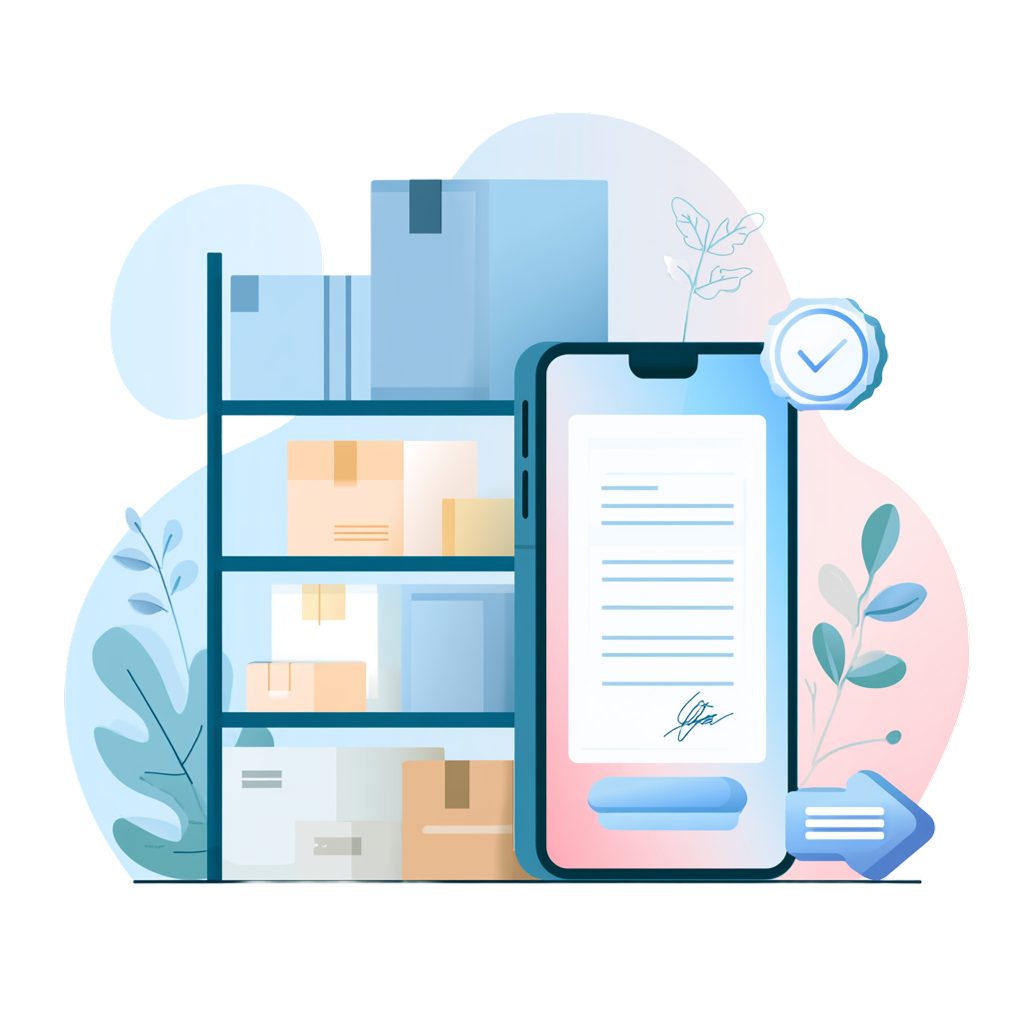
Mobile-friendly onboarding means every step a new hire completes before their first shift, from I-9 verification to direct deposit setup, can be done from a phone, on their own time, before they arrive.
- Digital paperwork completed before day one. New hires fill out I-9s, W-4s, and direct deposit information from their phone before their first shift, so the first day is about the job, not paperwork.
- No company email required. Deskless employees often do not have a company email address on day one. Mobile onboarding that works with a personal phone number or personal email removes an unnecessary barrier.
- Simple, guided steps. A new hire completing onboarding on a phone screen needs a clear, linear flow, not a desktop-style form crammed into a small screen.
- Manager visibility without manual follow-up. Managers can see who has completed onboarding steps and who hasn’t without chasing down paper forms or spreadsheets.
- Fast enough to match hiring urgency. A process that takes a day, not a week, matches how quickly deskless industries need to fill open shifts.
The Retention Payoff of a Smooth First Day
First impressions are disproportionately powerful in high-turnover roles. An employee who spends their first day fighting with paperwork instead of learning the job forms an early, negative impression that is hard to undo. A smooth digital onboarding experience signals that the business has its operations together, which matters to new hires deciding whether this job is worth staying at.
Netchex’s onboarding software lets new hires complete every required form from a phone before their first shift, reducing time-to-start from weeks to a single day in many cases. Because onboarding lives in the same platform as payroll and time and attendance, managers are not stitching together data from multiple systems just to confirm a new hire is ready to work.
Getting Started Without Overhauling Everything at Once
Businesses do not need to redesign their entire hiring process to see a benefit from mobile onboarding. Start with the paperwork that currently causes the most delay, usually I-9 and direct deposit setup, and move that piece to a mobile-first workflow first. Even a partial shift reduces the friction that costs businesses new hires before they ever clock in.
The U.S. Department of Labor requires I-9 verification for every new hire regardless of how onboarding is delivered, so a mobile process still needs to meet the same compliance standard as a paper one.
Frequently Asked Questions
Most onboarding platforms assume a desktop computer and a company email address, both of which deskless workers often lack on their first day. That mismatch creates delays and friction before a new hire even starts.
Yes. Mobile onboarding platforms can guide new hires through I-9 completion from a phone while still meeting the same federal verification requirements as a paper process.
Businesses using mobile-first onboarding often reduce time-to-start from multiple weeks to a single day, since new hires can complete paperwork on their own phone before their first shift.
No. Effective mobile onboarding platforms work with a personal phone number or personal email address, since many deskless new hires do not have a company email account until after their first day.
Ready to Simplify Onboarding for Your Deskless Team?
See how Netchex gets new hires from application to first shift in a single day.
This article reflects general HR best practices as of 2026 and is not legal advice. Consult a qualified professional for guidance specific to your business.
Disclaimer: Any product roadmap or future plans provided herein are for informational purposes only. They do not represent a commitment to deliver any material, code, feature, or functionality. Plans may change without notification. The development, release and timing of any features or functionality described remain at the sole discretion of Netchex, its affiliates, and partners. Netchex does not give legal, tax, or accounting advice. You are responsible for ensuring your use of Netchex product meets your individual business and compliance requirements.

Related events

Payroll Software for Strategic HR: Freeing Up Time for Work That Actually Moves the Business
Payroll Software for HR Teams: Sharing the Load Without Duplicating Work

Payroll Software for HR Generalists: One System Instead of Five
