Share
A business owner searches for payroll software and keeps running into a different term: HCM. The sales pages all use it, but none of them explain what actually separates HCM software from just payroll with a few extra features bolted on.
Here’s what HCM software actually means, what it includes, and how to tell whether a platform genuinely qualifies or is just borrowing the label.
Last updated: July 2026
What Is HCM Software?
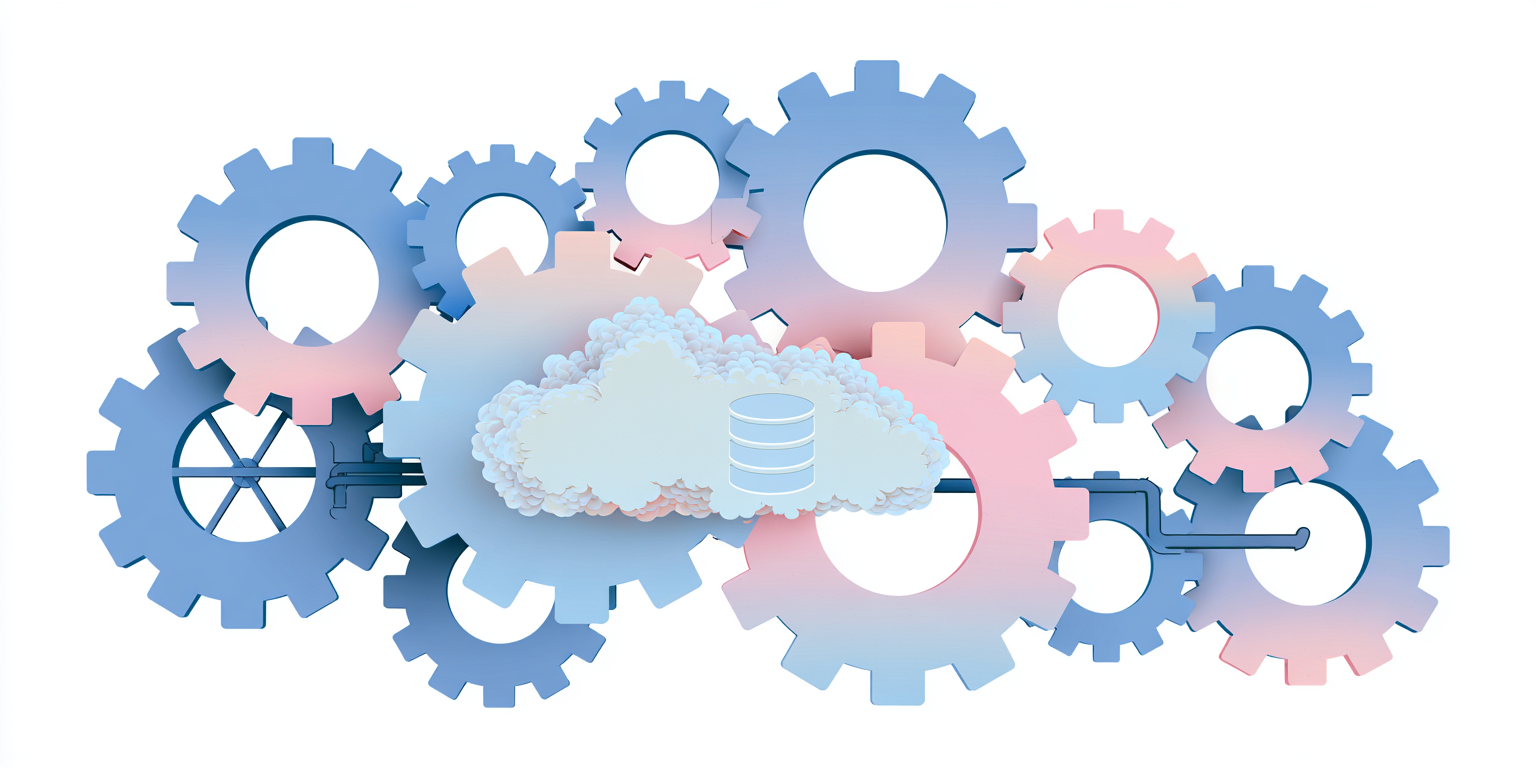
HCM stands for Human Capital Management. HCM software is a platform that manages the full employee lifecycle, from recruiting and onboarding through payroll, benefits, time tracking, and performance, in one connected system instead of a collection of separate tools.
The distinction that actually matters is breadth. Payroll software runs payroll. HR software manages employee records and compliance. HCM software is meant to cover both, plus the parts of the employee lifecycle that happen before and after payroll even enters the picture.
What HCM Software Actually Includes
A genuine HCM platform typically covers most or all of the following, connected under one login rather than stitched together with integrations.
- Payroll and tax filing
- Time and attendance tracking
- Benefits administration
- Recruiting and applicant tracking
- Onboarding
- Performance management
- Employee self-service and reporting
Not every vendor that says “HCM” on their homepage covers all of this natively. Some genuinely do. Others bundle a payroll core with a handful of thin add-ons and call the whole package HCM anyway.
How Is HCM Different From HRIS or HRMS?
This is a genuinely confusing corner of the industry, and it deserves more than a quick summary here. Netchex has a full breakdown of HRIS vs. HRMS vs. HCM covering exactly where each term came from and where the lines blur in practice.
The short version: HRIS traditionally means employee recordkeeping, HRMS adds workforce management on top of that, and HCM is the broadest term, meant to include the full lifecycle including recruiting and performance. In practice, vendors use all three terms loosely, so the label matters less than actually checking what modules a platform includes.
Who Actually Needs HCM Software?
A five-person business running simple payroll probably doesn’t need full HCM. A company with 50 to 5,000 employees, multiple locations, hourly and salaried staff, and a lean HR team feels the disconnected-systems problem a lot faster, because every gap between tools becomes a manual task somebody has to do by hand.
That’s usually the tipping point: when a company’s HR team is stitching together a payroll tool, a separate applicant tracking system, and a spreadsheet for time off, and none of it talks to each other automatically.
How to Tell If a Platform Is Genuinely HCM
Ask what happens when an employee is hired, changes status, or leaves. In a real HCM platform, that single event should flow through payroll, benefits eligibility, time tracking, and reporting automatically. If it instead triggers three separate manual updates across disconnected systems, the platform is using the HCM label loosely.
Netchex is built as a genuine HCM platform covering payroll, tax, benefits, time and attendance, recruiting, onboarding, and performance under one login, purpose-built for businesses with hourly, multi-location, and deskless workforces.
Frequently Asked Questions
HCM stands for Human Capital Management. It refers to software that manages the full employee lifecycle, including payroll, benefits, time tracking, recruiting, onboarding, and performance, in one connected platform.
No. Payroll software focuses specifically on paying employees and filing taxes. HCM software includes payroll as one component but also covers recruiting, onboarding, benefits, time tracking, and performance management.
HRIS traditionally refers to core employee recordkeeping. HCM is the broader term, meant to cover the full employee lifecycle including recruiting and performance. In practice, many vendors use the terms interchangeably regardless of the original distinction.
Not necessarily. Very small businesses with simple payroll needs may not need the full breadth of HCM. Companies with multiple locations, hourly workforces, and lean HR teams tend to feel the need for a connected HCM platform much sooner.
Check whether a single employee event, like a new hire or a status change, flows automatically through payroll, benefits, and time tracking. If it requires several manual updates across disconnected tools, the platform is using the HCM label loosely.
See What Genuine HCM Software Looks Like
See how Netchex connects payroll, HR, benefits, time tracking, and recruiting under one login, built for hourly and multi-location workforces.
This guide reflects publicly available product information and independent reviewer data (G2, Capterra, Trustpilot, Yelp, Better Business Bureau, Reddit, Software Advice, GetApp) as of 2026. Feature availability and pricing may vary by plan. Contact each provider for current details.
Disclaimer: Any product roadmap or future plans provided herein are for informational purposes only. They do not represent a commitment to deliver any material, code, feature, or functionality. Plans may change without notification. The development, release and timing of any features or functionality described remain at the sole discretion of Netchex, its affiliates, and partners. Netchex does not give legal, tax, or accounting advice. You are responsible for ensuring your use of Netchex product meets your individual business and compliance requirements.

Related events

10 Perks Hourly Workers Actually Want (That Cost Less Than You Think)

What Onboarding Automation Actually Fixes (Not Just Speeds Up)
Top 10 Jobs in a Growing Professional Services Firm